
 English
 Spanish
 French
 German
 Italian
 Chinese (Simplified)
 Japanese
 Korean
 Arabic
 Portuguese


 Send Inquiry
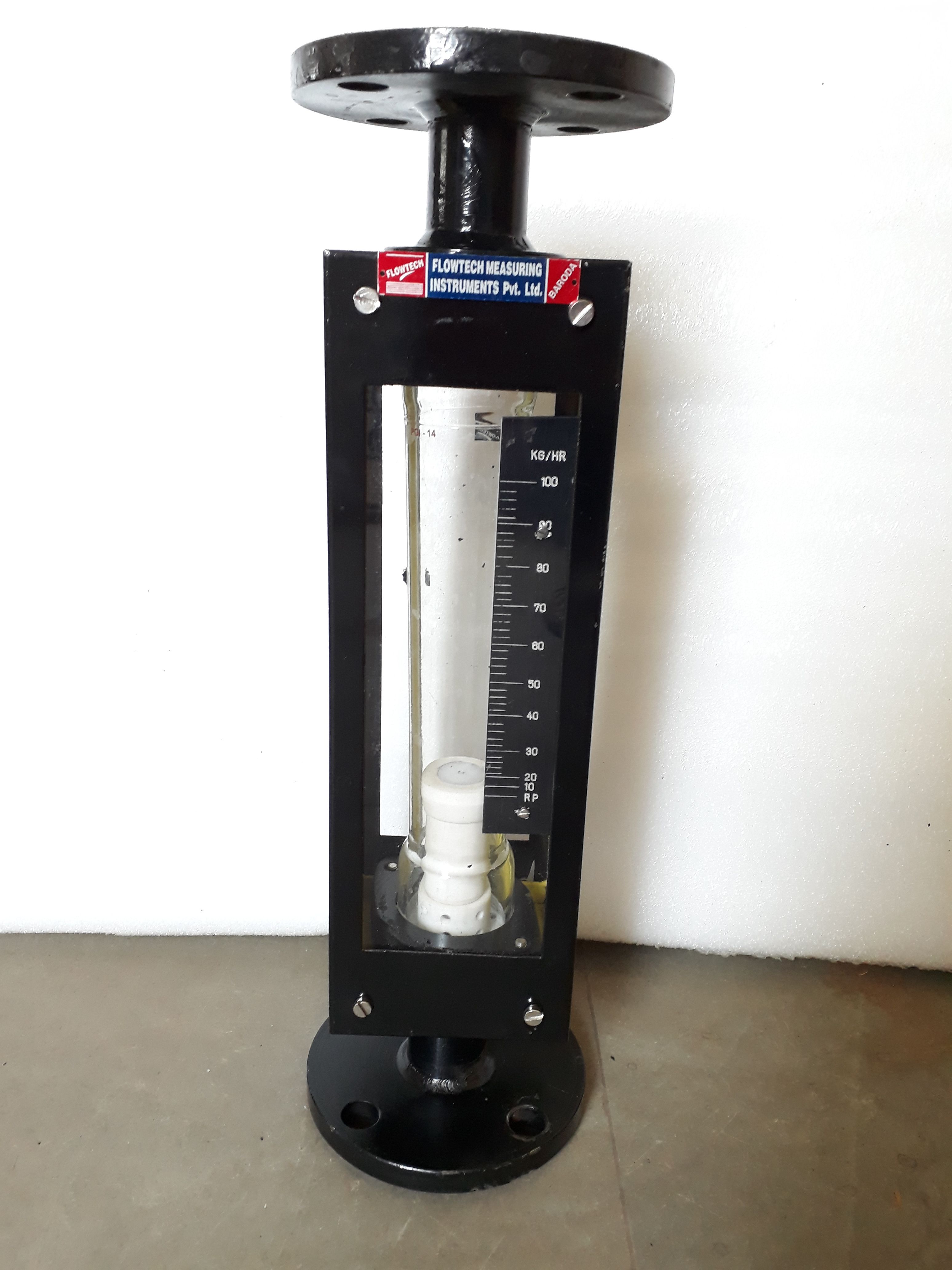
Glass Tube Rota Meters
Price 4000 INR/ Piece
MOQ : 1 Piece
Glass Tube Rota Meters Specification
- Connectivity Type
- Mechanical (No Electronic Connectivity)
- Resolution
- Fine Graduation Markings
- Pressure Range
- Up to 15 kg/cm² (varies by model)
- Temperature Range
- -20°C to +100°C
- Flow Rate
- 10 to 100,000 LPH
- Humidity %
- Up to 95% RH
- Sensor Type
- Float Type (Non-Contact, Magnetic Optional)
- Measurement Range
- Customizable as per application
- Equipment Type
- Glass Tube Rota Meter
- Capacity
- Up to 100,000 LPH
- Usage
- Industrial
- Material
- Borosilicate Glass Tube with Metal Fittings
- Size
- Different Sizes Available
- Power Supply
- Not Required (Manual Operation)
- Accuracy
- ±2% of Full Scale
- Display Type
- Analog
- Range
- 10 to 10,000 LPH (Liquids); 100 to 100,000 LPH (Gases)
- Packing Type
- Standard Export Worthy Packaging
- Suitable Media
- Liquids & Gases
- Mounting
- Vertical Mounting Required
- Operation Method
- Direct Reading, No External Power
- Scale Markings
- Engraved on Glass or Printed as per Requirement
- End Connection
- Flanged / Screwed / Hose Pipe Connections
- Body Finish
- Polished / Powder Coated
Glass Tube Rota Meters Trade Information
- Minimum Order Quantity
- 1 Piece
- FOB Port
- Vadodara
- Payment Terms
- Paypal, Cash Against Delivery (CAD), Cash on Delivery (COD), Cash Advance (CA), Cash in Advance (CID), Cheque, Letter of Credit at Sight (Sight L/C), Telegraphic Transfer (T/T), Letter of Credit (L/C)
- Supply Ability
- 500 Pieces Per Month
- Delivery Time
- 1 Week
- Sample Available
- Yes
- Sample Policy
- Within a certain price range free samples are available
- Packaging Details
- Wooden Boxes
- Main Domestic Market
- Andaman and Nicobar Islands, Odisha, Andhra Pradesh, Goa, Jharkhand, Nagaland, Karnataka, Telangana, Jammu and Kashmir, Tamil Nadu, Meghalaya, Maharashtra, Haryana, East India, Himachal Pradesh, Manipur, North India, Chandigarh, Delhi, South India, Sikkim, Lakshadweep, West India, Pondicherry, West Bengal, Uttar Pradesh, Uttarakhand, Tripura, Rajasthan, Assam, Daman and Diu, Chhattisgarh, Madhya Pradesh, Gujarat, Arunachal Pradesh, Punjab, Central India, Dadra and Nagar Haveli, Bihar, Mizoram, Kerala, All India
- Certifications
- ISO 9001, 14001, 18001
Glass Tube Rota Meters About
FLOWTECH Chemical Rotameters are intended for general in line and By-Pass metering applications (i.e. for Gas & Liquid) where operating conditions are with the limitations of Glass metering tubes. These are the principle of Variable Area. The float moves freely up and down tapered borosilicate glass with fluid flow from bottom to top. The float takes up a position where buoyancy forces and the float weight are balanced in proportion to flow rate. The Vertical position of the float as indicated by scale is the measure of the instantaneous flow rate.
- Simplified piping and reduced space requirements
- Permanent magnetic link between metering float and motion position transmitter
- Precision swaged metering tube
- Heavy duty welded float and guide construction
- Guide cartridges easily removable for cleaning
- Provide with Electrical transmitter, flow indicator OR alarm.
FAQ for Glass Tube Rota Meters:
Does a rotameter need electricity?
No, it does not need external power required. This mechanical device does not ask for power to give the measurement of gas or liquid flow.
Why glass tube rotameters are always installed vertically?
As the float position is based on gravity, it becomes important for this to be mounted vertically.
How does glass tube rotameters function?
The working principle of glass tube rotameter is variable area flow measurement.
What are the typical applications of glass tube rotameters?
The applications are mentioned below:
- Water treatment: Used for assessing flow rates of water in irrigation systems, treatment plants, cooling systems, and others
- Chemical industry: Assists in the processes of dosing, liquid/gas chromatography and blending.
- HVAC: Can controlling the flow of gases as well as air in the HVAC systems.
- Research laboratories: Widely applicable in laboratories for measuring flows in research and experiments related to a wide variety of fluids.
- Pharmaceuticals: Applicable for the flow measurement in medicinal manufacturing procedures, such as packaging, filling etc.
Versatile End Connections
Choose from flanged, screwed, or hose pipe end connections to seamlessly integrate with your existing pipeline system. These versatile options ensure hassle-free installation and reliable operation, tailored to industrial requirements.
High Accuracy and Customization
Our rota meters provide accuracy within 2% of full scale and offer customizable measurement ranges to suit varied flow rates. Fine graduation markings enhance resolution, supporting precise monitoring in diverse industrial processes.
Durable Construction and Reliable Performance
Built with borosilicate glass tubes and sturdy metal fittings, these rota meters withstand rigorous conditions. Featuring polished or powder-coated finishes, they operate efficiently within broad temperature and humidity ranges without external power.
FAQs of Glass Tube Rota Meters:
Q: How is a Glass Tube Rota Meter installed in industrial pipelines?
A: Glass Tube Rota Meters are designed for vertical mounting and can be installed using flanged, screwed, or hose pipe connections. The selection of end connection depends on your pipeline specifications.Q: What type of media can be measured with this rota meter?
A: These meters are suitable for measuring both liquid and gas flows in industrial processes, making them ideal for multiple applications.Q: When should I choose engraved or printed scale markings on the glass tube?
A: Engraved scale markings offer longevity and resistance to wear in harsh environments, while printed markings provide flexibility in customizing the scale as per your specific requirements.Q: Where can these rota meters be used effectively?
A: They are widely used in industrial environments for process monitoring and flow control in sectors such as chemical, water treatment, and gas processing.Q: What is the benefit of non-contact float type sensors in these meters?
A: Non-contact float sensors, with optional magnetic features, enhance reliability by reducing wear, ensuring precise readings, and extending the meters operational life.Q: How does the manual operation method work for these rota meters?
A: The float inside the borosilicate glass tube moves proportionally to the flow rate, allowing direct, analog, manual readings with no external power supply required.


Tell us about your requirement

Price:
Quantity
Select Unit
- 50
- 100
- 200
- 250
- 500
- 1000+
Additional detail
Mobile number
Email

More Products in Rotameters Category

Glass Tube Rotameters
Price 4950.0 INR / Piece
Minimum Order Quantity : 1 Piece
Material : Borosilicate Glass Tube, End Connections in SS / PVC / PP / PTFE
Accuracy : 2% of Full Scale %
Display Type : Other, Direct Reading Graduated Scale
Flow Rate : 10 to 15,000 LPH (Liquid) / 0.1 to 75 Nm/hr (Gas)

Water Rotameter
Price 4500 INR / Piece
Minimum Order Quantity : 1 Piece
Material : Acrylic Body / Transparent Polycarbonate
Accuracy : 2% to 5% of Full Scale
Display Type : Other, Direct Tube Scale
Flow Rate : 10 to 40,000 LPH

Glass Rotameter
Price 4500 INR / Piece
Minimum Order Quantity : 1 Piece
Material : Borosilicate Glass Tube, SS 304/316, PTFE, or PVC End Fittings
Accuracy : 2% of Full Scale
Display Type : Other, Graduated Glass Tube
Flow Rate : As per Model, Up to 60,000 LPH

By Pass Rotameters
Price 9000 INR / Piece
Minimum Order Quantity : 1 Piece
Material : SS316/SS304/P.P.

Contact Details
FLOWTECH MEASURING INSTRUMENTS PVT. LTD.
GST : 24AABCF8314J1ZQ
GST : 24AABCF8314J1ZQ
- 900/2/B, GIDC Estate, Makarpura,Vadodara - 390010, Gujarat, India
- Phone :07971191026
- Send Inquiry
 Send Inquiry
- Mr Nilesh Shah (Managing Director)
- Mobile :07971191026

 Send Inquiry
 Send SMS
 Call Me Free
Quick Enquiry Form
 |
FLOWTECH MEASURING INSTRUMENTS PVT. LTD.
All Rights Reserved.(Terms of Use) Developed and Managed by Infocom Network Private Limited. |
